

Regenerative Farming Guide: Sustainable Practices for 2026
Australia’s agricultural landscape faces an urgent turning point in 2026. With challenges like soil degradation, climate change, and growing food insecurity on the rise, experts warn that up to 90% of the world’s soil could be degraded by 2050.
Amidst this crisis, regenerative farming emerges as a beacon of hope, offering a holistic approach to restore soil health, boost biodiversity, and strengthen the resilience of our food systems. Unlike traditional methods, regenerative farming focuses on actively healing the land.
This article will guide you through regenerative farming practices, their benefits, and step-by-step actions you can take to create positive change. You’ll discover the core principles, practical techniques, inspiring case studies, and a look at what the future holds.
Ready to be part of the transformation? Let’s explore how regenerative farming can help secure a healthy, sustainable future for all.
What is Regenerative Farming? Principles and Foundations
Regenerative farming is gaining momentum as a vital response to the environmental and food security challenges of our time. Unlike conventional methods, regenerative farming aims to rebuild natural systems, creating healthier and more resilient landscapes. By focusing on restoration rather than just sustainability, this approach puts soil health, biodiversity, and community at the centre of agricultural success.
Defining Regenerative Farming
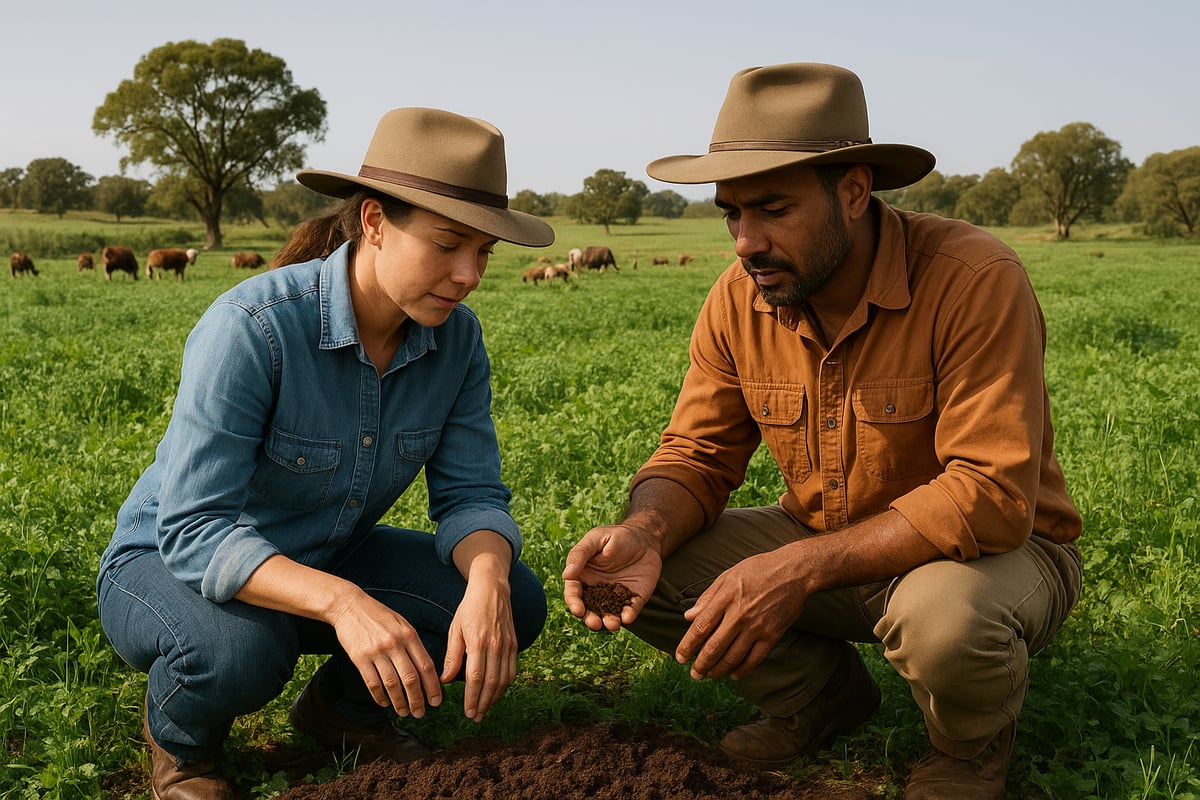
Regenerative farming is an approach to agriculture that goes beyond simply maintaining the current state of the land. It actively restores and improves ecosystems, recognising the interconnectedness of soil, plants, animals, and people. This holistic mindset sets it apart from conventional and even organic farming, which may not always focus on regeneration.
Where conventional agriculture often treats soil as an inert medium, regenerative farming sees soil as a living, dynamic system. For example, the ABC highlights the importance of nurturing soil life to support crops and livestock. To learn more about these principles in Australia, see the Regenerative agriculture guide.
Core Principles of Regenerative Agriculture
Several core principles guide regenerative farming. These include keeping soil covered and undisturbed by using no-till methods and planting cover crops. Maximising biodiversity, both plant and animal, is another key principle.
Livestock integration plays a major role, where rotating grazing animals mimics natural ecosystem cycles. Minimising chemical inputs like synthetic fertilisers and pesticides helps protect soil biology. Finally, fostering local supply chains and building community resilience ensures that regenerative farming benefits both the land and those who depend on it.
Here’s a summary table:
| Principle | Example Practice |
|---|---|
| Soil Cover & No-till | Mulching, cover crops |
| Biodiversity | Mixed species planting |
| Livestock Integration | Rotational grazing |
| Minimise Chemicals | Natural fertilisers |
| Local Supply Chains | Direct farm-to-consumer |
The Science Behind Regeneration
The science supporting regenerative farming is robust. Research shows that healthy soils, managed with regenerative farming techniques, can capture and store more carbon, helping fight climate change. Improved soil structure also boosts water retention, making farms more resilient to drought.
Healthy soils support healthy plants, which in turn nourish healthy animals and people. In 2023, Australian farmers produced $90 billion worth of food and fibre, showing how vital agriculture is to the nation. Regenerative farming treats soil as a “living sponge,” absorbing water and nutrients efficiently, which reduces erosion and maintains productivity.
Global and Australian Context
Globally, soil degradation threatens food security and biodiversity. Up to 90% of the world’s soil could be degraded by 2050, making regenerative farming an urgent priority. Australia enjoys high food security, but faces risks from climate-driven extreme weather and biosecurity threats.
The uptake of regenerative farming varies across regions, with some areas leading the way in innovation and adoption. It’s essential to adapt regenerative principles to local conditions, such as soil type, rainfall, and enterprise mix. By doing so, regenerative farming becomes a flexible and powerful tool for farmers across Australia.
Key Regenerative Farming Practices for 2026
Adopting regenerative farming in 2026 means embracing a holistic set of practices that restore soil, boost biodiversity, and build resilient food systems. Let’s break down the key approaches that are shaping the future of sustainable agriculture.
Building Soil Health
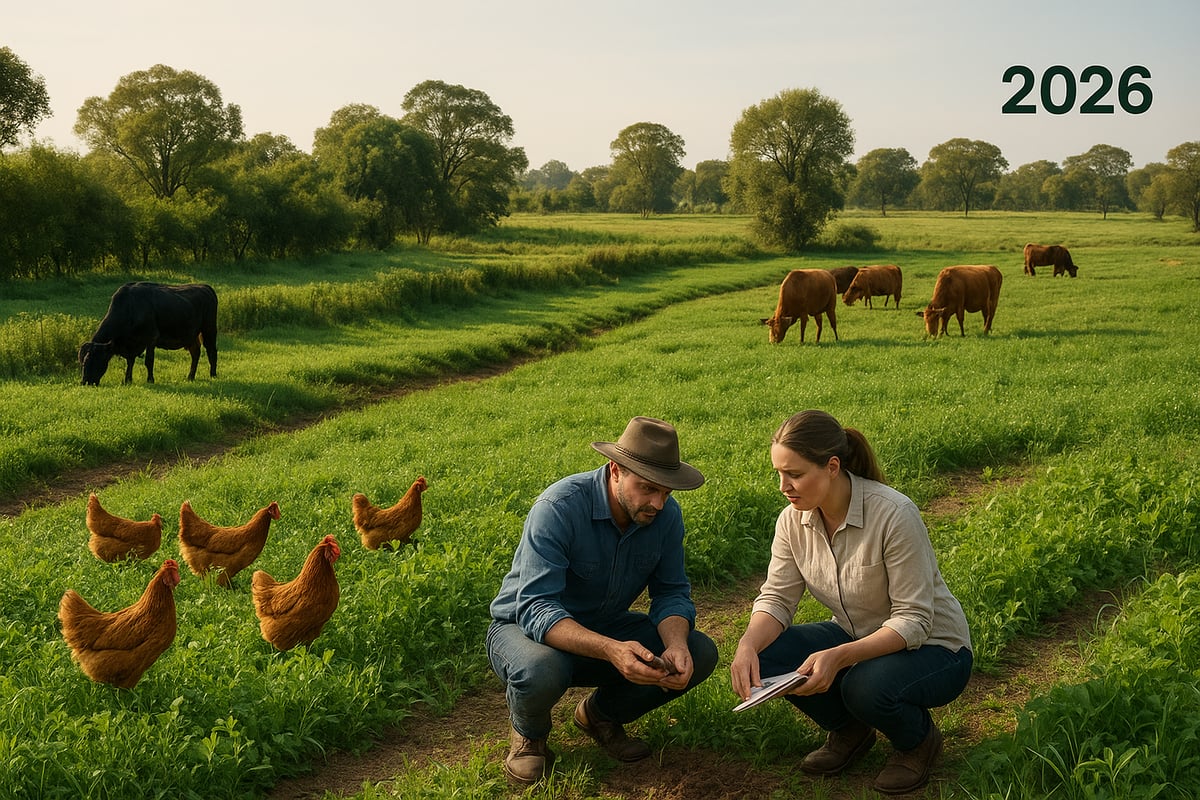
At the heart of regenerative farming is a commitment to soil health. Farmers use techniques like cover cropping, mulching, composting, and green manures to increase organic matter and stimulate microbial life. These methods help create soil that acts like a living sponge, soaking up water and nutrients while preventing erosion.
- Cover crops protect soil year-round.
- Mulching reduces evaporation and keeps roots cool.
- Compost and green manure feed beneficial microbes.
Blythe Calnan’s approach in Western Australia shows how focusing on soil restoration improves water retention and resilience. For a deeper dive into practical methods, see these regenerative agriculture practices.
Livestock Integration & Rotational Grazing
Regenerative farming incorporates livestock as vital partners in ecosystem renewal. Rotational grazing systems, where animals are moved frequently between paddocks, mimic natural herd movements. This allows land to recover, reduces overgrazing, and supports pasture regrowth.
- Chickens add natural fertiliser and control pests.
- Cattle and sheep aerate the soil with their hooves.
- Diversity of animals builds soil structure.
Renee Spencer’s Queensland farm demonstrates how large mobs, moved regularly, can transform bare gullies into thriving grasslands. These strategies boost pasture health and create a balanced system.
Increasing Biodiversity on the Farm
Biodiversity is a core pillar of regenerative farming. Planting native species, hedgerows, and insectaries attracts beneficial insects and encourages natural pest control. This approach balances the ecosystem and reduces the need for synthetic chemicals.
- Native plants offer habitat for pollinators.
- Hedgerows act as windbreaks and wildlife corridors.
- Insectaries boost populations of helpful bugs.
Farmers report fewer pest outbreaks and higher yields as biodiversity increases. The result is a resilient farm that weathers environmental challenges with more ease.
Minimising Chemical Inputs
Reducing chemical fertilisers and pesticides is essential in regenerative farming. Strategies include integrated pest management, using natural fertilisers like animal manure, and encouraging beneficial insects to keep pests in check.
- Monitor and identify pest pressure before acting.
- Apply compost and manure to replace synthetic fertilisers.
- Use crop rotation and companion planting.
Evidence shows that soil health improves as chemical inputs decrease, and input costs are often reduced. Transitioning can be challenging, but the long-term rewards include healthier soils and ecosystems.
Water Management and Resilience
Water is a precious resource, so regenerative farming focuses on capturing and retaining as much as possible. Techniques like swales, keyline design, water harvesting, and maintaining ground cover all help farms thrive during drought and heavy rains.
- Swales direct water to where it’s needed most.
- Keyline design enhances natural water flow.
- Ground cover prevents runoff and keeps soil moist.
Improved water management builds resilience to extreme weather, ensuring crops and pastures survive tough seasons.
Diversification and Local Supply Chains
Diversifying enterprises strengthens regenerative farming systems. By combining crops, livestock, and agroforestry, farmers create multiple income streams and spread risk.
- Mixed farming increases financial stability.
- Local supply chains shorten the distance from farm to table.
- Community connections foster knowledge sharing.
Reclaiming local supply chains also boosts food security and community resilience. This approach makes farming more adaptable and responsive to changing conditions.
Step-by-Step Guide to Implementing Regenerative Practices
Transforming your farm with regenerative farming is a journey, not a one-size-fits-all recipe. By following these eight practical steps, you can build healthier soils, create resilient landscapes, and foster a thriving community. Let’s walk through the process, breaking it down into actionable pieces so you can start making changes with confidence.
Step 1: Assess Your Land and Set Goals
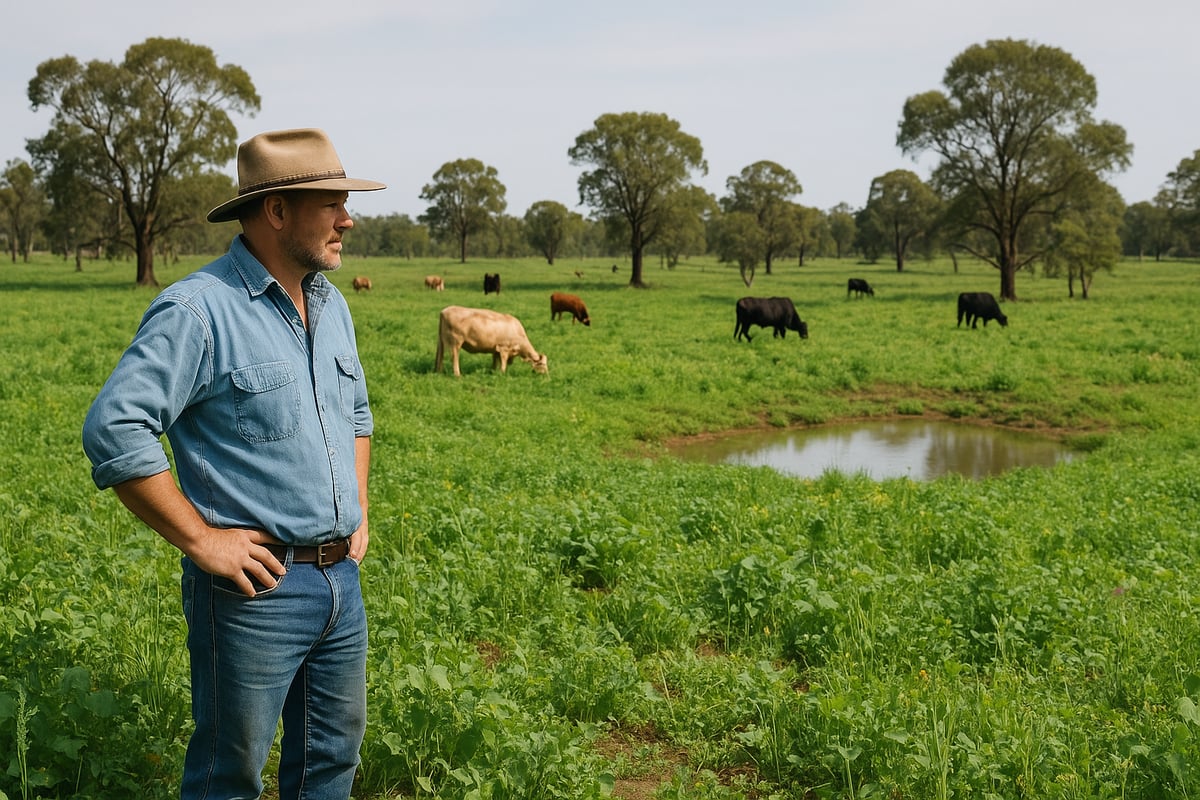
Begin your regenerative farming journey by taking stock of your land’s current condition. Walk your paddocks, dig into the soil, and observe what’s thriving and what’s struggling. Gather baseline data on soil health, biodiversity, and water resources.
Ask yourself: Where are the trouble spots? Which areas hold the most promise? Setting clear, measurable goals will help you track progress. Maybe you want to increase organic matter by 1%, boost pollinator numbers, or improve water retention.
Remember, effective regenerative farming starts with understanding your unique context. Tailor your approach to your local climate, soil type, and enterprise mix for the best results.
Step 2: Improve Soil Health First
Healthy soil is the heartbeat of regenerative farming. Start by planting cover crops to protect and enrich the soil. Add organic amendments like compost and mulch to feed soil microbes and increase fertility.
Regularly test your soil to monitor changes in nutrient levels and organic matter. Start small—trial new techniques on a single paddock before scaling up. Mulching and composting are practical ways to build soil life and structure.
As your soil improves, you’ll notice better water retention and stronger plant growth, setting the stage for future regenerative farming steps.
Step 3: Integrate Livestock Thoughtfully
Integrating livestock is a cornerstone of regenerative farming. Plan rotational grazing systems that allow paddocks to rest and recover. Choose livestock species suited to your environment—cattle, sheep, or even chickens for fertiliser.
Use livestock to naturally fertilise and aerate the soil. In Queensland, mob grazing with large groups moved frequently has shown remarkable results, mimicking natural animal movement and boosting pasture health.
Thoughtful integration of animals enhances soil structure and closes nutrient loops, making regenerative farming more robust and productive.
Step 4: Enhance Biodiversity
Biodiversity is the insurance policy of regenerative farming. Plant native trees, shrubs, and flowering plants along field edges and in unused corners. Create insectaries and wildlife corridors to attract beneficial insects and birds.
Monitor changes in pest and pollinator populations to gauge ecosystem balance. Farmers often report fewer pest outbreaks and more resilient crops after increasing biodiversity.
By encouraging a variety of species, you help your farm adapt to challenges and unlock the full potential of regenerative farming.
Step 5: Reduce Chemical Inputs Gradually
Transitioning away from synthetic fertilisers and pesticides is key to regenerative farming. Identify areas where you can cut back on chemicals without risking yields. Implement integrated pest management, using natural predators and crop rotation to keep pests in check.
Switch to natural fertilisers like compost and animal manure. The learning curve can be steep, but support networks and resources are available. As you reduce chemical reliance, soil health and farm resilience improve, and costs can drop over time.
Patience and persistence are vital as you move towards a regenerative farming system with fewer synthetic inputs.
Step 6: Optimise Water Management
Water is life, especially in Australia’s variable climate. Map out how water moves across your land. Install swales, ponds, and other water retention structures to capture rainfall and reduce runoff.
Keep ground cover all year to protect soil and slow evaporation. These techniques help build drought resilience, a cornerstone of regenerative farming.
Data shows that better water management leads to healthier crops and less erosion, ensuring your farm thrives through the ups and downs of extreme weather.
Step 7: Diversify Enterprises and Foster Community Links
Diversification is a strength in regenerative farming. Explore new crops, add livestock, or try agroforestry to spread risk and boost income streams. Connect with local markets and supply chains to keep profits and food security close to home.
Reach out to neighbours, share knowledge, and collaborate on projects. If you’re looking for advice or want to join a supportive network, consider connecting through Contact for Regenerative Farming Support.
Strong community ties help regenerative farming take root and scale up, benefiting everyone in the region.
Step 8: Monitor, Adapt, and Celebrate Success
Continuous improvement is at the heart of regenerative farming. Set up regular monitoring—test your soil, count pollinators, and track yields. Use your findings to adapt management practices and solve problems early.
Share your successes and challenges with others. Celebrate milestones, big or small, to keep momentum high. Community recognition and knowledge sharing make the journey more rewarding.
By embracing change and learning from the land, you’ll see your regenerative farming efforts pay off year after year.
Overcoming Barriers and Challenges in Regenerative Farming
Transitioning to regenerative farming comes with unique hurdles, both in mindset and practical application. Understanding these challenges and how to overcome them is key for successful adoption in 2026. By addressing change resistance, financial realities, local adaptation, and communication, farmers can build a more resilient future.
Mindset and Cultural Shifts
Adopting regenerative farming often means challenging long-held beliefs and habits. Many farmers feel uncertainty about changing methods that have worked for generations. As Blythe Calnan notes, “Humans are not great at change, particularly when under pressure.”
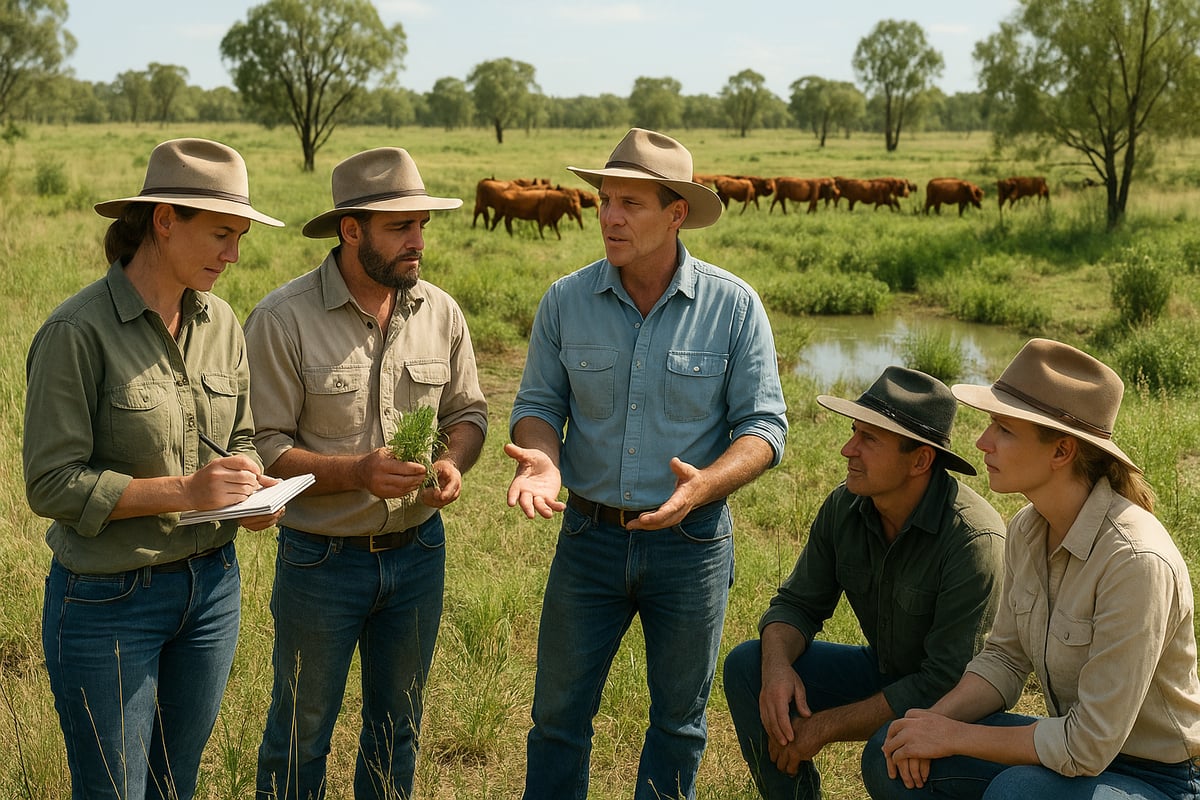
Education plays a central role. Peer support networks and community field days help normalise regenerative farming. Celebrating small wins, such as early improvements in soil health or biodiversity, builds momentum and hope. Sharing experiences openly can inspire others to start their journey.
Financial and Practical Constraints
Initial costs can be a concern when starting regenerative farming. Investments in new equipment, fencing for rotational grazing, or cover crop seeds may seem daunting. Financial risks, especially during the transition period, can challenge even the most committed producers.
Fortunately, grants, incentives, and support programs are increasingly available. Over time, many farmers experience lower input costs and improved profitability. Real-world examples show that, while the path may be gradual, regenerative farming can deliver strong long-term returns and greater farm resilience.
Adapting to Local Conditions
No two farms are alike, so regenerative farming must be tailored to local soils, rainfall, and enterprise types. What works in one region may not suit another, making experimentation vital.
Australian farms range from arid cattle stations to rich coastal croplands. Successful regenerative farmers often begin with small trials, observe results, and gradually adapt practices. Seeking advice from neighbours and local experts helps refine approaches and avoid common pitfalls.
Measuring and Communicating Success
Tracking progress is essential for regenerative farming. Regular soil tests, biodiversity counts, and yield records build a clear picture of what’s working.
Engaging with researchers and extension services supports learning. Sharing stories and data with the wider community, including through platforms like News and Sustainable Farming Insights, spreads knowledge and accelerates adoption. Celebrating milestones, both big and small, keeps motivation high and inspires others to join the movement.
Case Studies: Regenerative Farming in Action
Across Australia, regenerative farming is transforming landscapes, livelihoods, and communities. These real-world stories show how innovation and dedication are restoring soil health, boosting biodiversity, and building resilience for the future.
Western Australia: Blythe Calnan’s Holistic Approach
In Western Australia, Blythe Calnan has embraced regenerative farming to breathe life back into degraded land. Her approach focuses on treating soil as a living sponge, nurturing its structure and microbial diversity. Integrating chickens into her system provides natural fertiliser and pest control, reducing the need for synthetic inputs. Over time, Blythe has witnessed a dramatic improvement in plant growth, animal health, and water retention. The farm now boasts vibrant pastures and resilient crops, demonstrating the potential of regenerative farming to reverse degradation. This holistic mindset has also strengthened community ties and inspired others to adopt similar methods.
Queensland: Renee Spencer’s Rotational Grazing Success
Renee Spencer’s property in Queensland showcases the power of rotational grazing within regenerative farming. By moving large mobs of cattle frequently, she mimics natural grazing patterns, allowing pastures to recover and regrow. Chickens follow the cattle, further enriching the soil with nutrients. Working dogs play a crucial role in managing livestock efficiently. In just three years, previously bare gullies have been rejuvenated, supporting lush grass and diverse plant life. The property is now more resilient to drought and extreme weather. Renee’s story highlights how regenerative farming practices can quickly transform landscapes and secure long-term productivity.
Diverse Approaches Across Australia
Regenerative farming is not a one-size-fits-all solution. Across Australia, farmers are experimenting with mixed cropping, livestock integration, insectaries, and native plantings. Some report significant reductions in pests, thanks to increased biodiversity. Others see improved yields and healthier soils after cutting back on chemical fertilisers. According to Soil degradation threatens food supply, urgent action is needed to combat global soil decline, making these local successes even more crucial. The adaptability of regenerative farming principles ensures that farmers can tailor solutions to their unique environments and challenges.
Lessons Learned and Tips from Practitioners
Farmers pioneering regenerative farming across Australia share valuable lessons for new adopters:
- Start small and scale up as you gain confidence.
- Monitor progress through soil tests and biodiversity counts.
- Stay flexible and adapt to changing conditions.
- Connect with local networks for support and knowledge sharing.
Celebrating both successes and setbacks is key to long-term motivation. For a deeper dive into the benefits and practical impacts of regenerative farming, explore Benefits of Regenerative Agriculture. With a commitment to continuous learning and collaboration, regenerative farming offers hope for a more sustainable agricultural future.
The Future of Regenerative Farming: Trends and Opportunities
As regenerative farming continues to gain traction, the future looks both promising and dynamic. Momentum is building across Australia and globally, with more farmers, businesses, and policymakers recognising the urgent need for change. The next few years will see the agricultural sector transformed by new ideas, technologies, and incentives that support soil health and climate resilience.
Scaling Up Regeneration in 2026 and Beyond
Scaling up regenerative farming will depend on collaboration between farmers, communities, businesses, and policymakers. National and global movements are driving change, with governments introducing new policies and incentives for sustainable practices.
Increasing consumer demand for regeneratively grown food is shaping market trends, encouraging more producers to adapt. Many organisations, such as About Mindrise's Mission, are championing sustainability and regenerative principles.
Opportunities are emerging for farmers to participate in carbon credit schemes and ecosystem services payments. These financial incentives make regenerative farming not only environmentally smart but also economically viable for the long term.
Technological Innovations and Research
Technology is rapidly transforming regenerative farming. Digital tools like soil sensors, satellite imagery, and mobile apps help farmers track soil health, water usage, and biodiversity in real time. This data-driven approach enables faster, smarter decision making on the ground.
Advancements in biological inputs and precision agriculture are reducing the need for synthetic chemicals. Universities and research organisations are partnering with farmers to trial new methods and share results.
Farmer-led innovation and open data sharing are speeding up the adoption of regenerative solutions. This collaborative spirit is vital for tackling ongoing challenges and adapting to local conditions.
Regenerative Farming’s Role in Climate and Food Security
Regenerative farming is a powerful tool for climate resilience. By building soil carbon and improving water retention, these systems help buffer farms against droughts and extreme weather. However, climate change remains a major challenge, as recent studies such as Australia's soil carbon emissions report warn that soils could become net carbon emitters if not managed carefully.
The sector’s role in ensuring Australia’s food security is more important than ever. Regenerative farming opens doors for young and new farmers looking to build resilient, future-proof enterprises. Ongoing learning, adaptation, and knowledge exchange will be essential as the industry evolves.
Article written using RankPill.