

Mushroom Art Guide: Explore Creative Styles in 2026
Step into the enchanting world of mushroom art, where nature’s wonders spark endless creativity and imagination. This guide is your invitation to explore the emerging and diverse styles of mushroom art in 2026.
From traditional botanical illustration to bold digital surrealism, discover how artists across Australia and the globe are capturing the magic of fungi in paintings, prints, textiles, and more. The popularity of mushroom art is soaring, with collectors and creators alike drawn to its beauty, versatility, and rich symbolism.
Ready to be inspired? Learn what’s trending, how artists work, and how you can start your own journey into mushroom art today.
The Rise of Mushroom Art: Origins and Cultural Significance
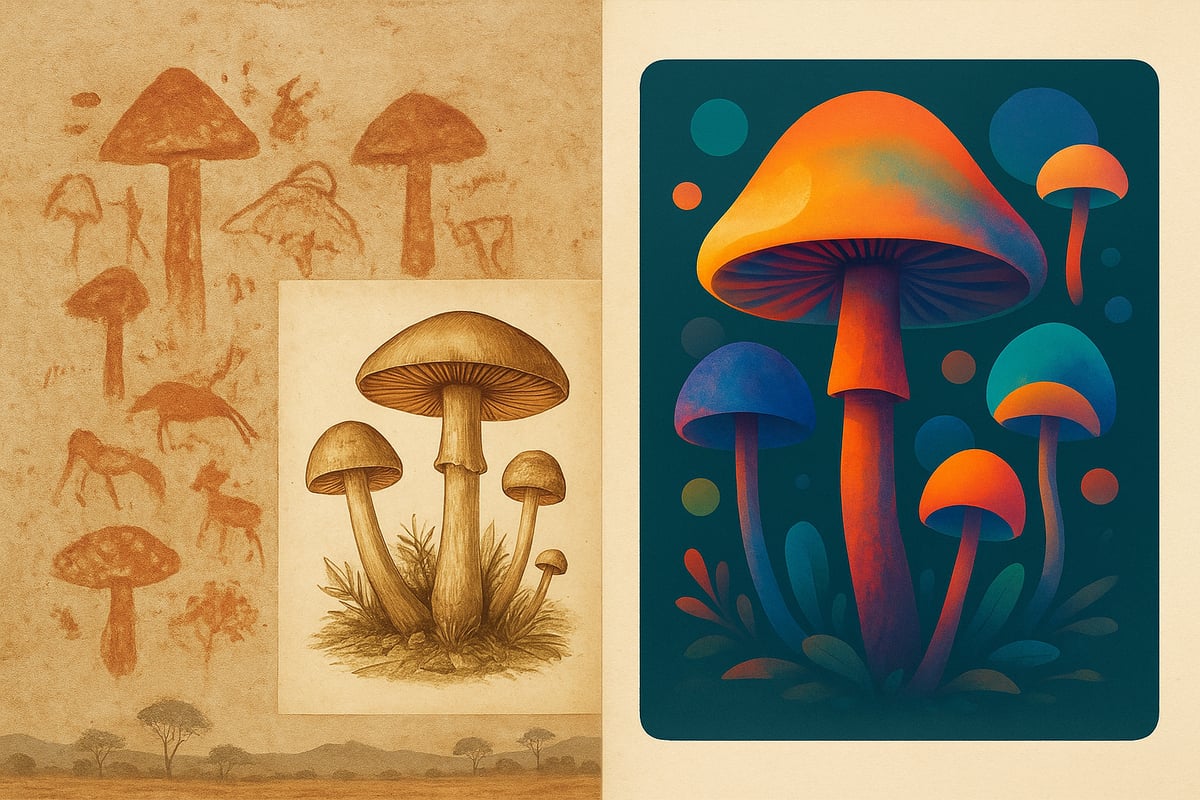
Step back in time and you’ll find the origins of mushroom art stretching deep into human history. Ancient cave paintings and early folk tales often featured mushrooms, hinting at their mysterious allure. Across continents, artists found inspiration in the unique forms and colours of fungi, capturing them in everything from medieval manuscripts to decorative ceramics.
Historical Roots: From Caves to Canvas
Mushroom art began as a way to document and celebrate the natural world. Archaeological finds reveal that early societies painted mushroom shapes on cave walls, possibly linked to rituals or food gathering. Over centuries, mushrooms appeared in European fairy tales and Asian prints, representing both sustenance and supernatural mysteries. This enduring presence set the stage for the diverse interpretations of mushroom art we see today.
Symbolism and Meaning: Growth, Magic, and Transformation
Why do mushrooms fascinate so many cultures? Their rapid growth and mysterious appearance have made them symbols of transformation, rebirth, and the unknown. In some traditions, mushrooms are linked to magic or spiritual journeys. Artists tap into these themes, using mushroom art to explore ideas of change, hidden beauty, and the delicate balance of nature.
- Growth and renewal
- Mystery and the unknown
- Magic and folklore
- Connection to nature
This rich symbolism gives mushroom art a unique emotional and philosophical depth, resonating with people from all walks of life.
Resurgence of Botanical Illustration
In recent years, there’s been a revival of botanical illustration, especially in Australia. Artists such as Eloise Short create exquisite, scientifically accurate prints of native fungi. These works combine watercolour, ink, and graphite to highlight the intricate details of each species. Mushroom art in this style is valued for both its educational role and its aesthetic beauty. It also helps promote conservation by drawing attention to often-overlooked species.
| Style | Features | Purpose |
|---|---|---|
| Traditional Illustration | Detailed, realistic, scientific | Education, research |
| Modern Abstract | Bold, stylised, interpretive | Expression, decor |
Environmental Awareness and the Mushroom Art Boom
Today, mushroom art is riding a wave of popularity. Growing interest in environmentalism and biophilic design has brought natural motifs into homes and galleries. Australians are increasingly drawn to artworks that celebrate fungi’s role in healthy ecosystems. According to data from art platforms like Bluethumb, searches and sales for mushroom art have surged in recent years. This trend is also reflected in the wider mushroom decor trend in 2026, where mushrooms feature in everything from wall prints to textiles and ceramics.
Contemporary Australian Perspectives
Australian artists are forging new paths in mushroom art, inspired by unique native species and local landscapes. Many describe a sense of wonder at the diversity of fungi found in forests and gardens. Some artists focus on scientific accuracy, while others create abstract or whimsical interpretations. Their works appear in galleries, markets, and online, reflecting a broad appreciation for both the ecological and creative value of mushroom art.
Whether you’re drawn to the mystical past or the vibrant present, mushroom art continues to connect people, nature, and imagination in profound ways.
Exploring Creative Styles of Mushroom Art in 2026
Step into 2026 and you’ll find the world of mushroom art bursting with creative energy. Artists across Australia and beyond are experimenting with a range of visual styles, each capturing the wonder of fungi in unique ways. Let’s explore how mushroom art is evolving, from detailed botanical drawings to playful pop culture designs.
Traditional Botanical Illustration
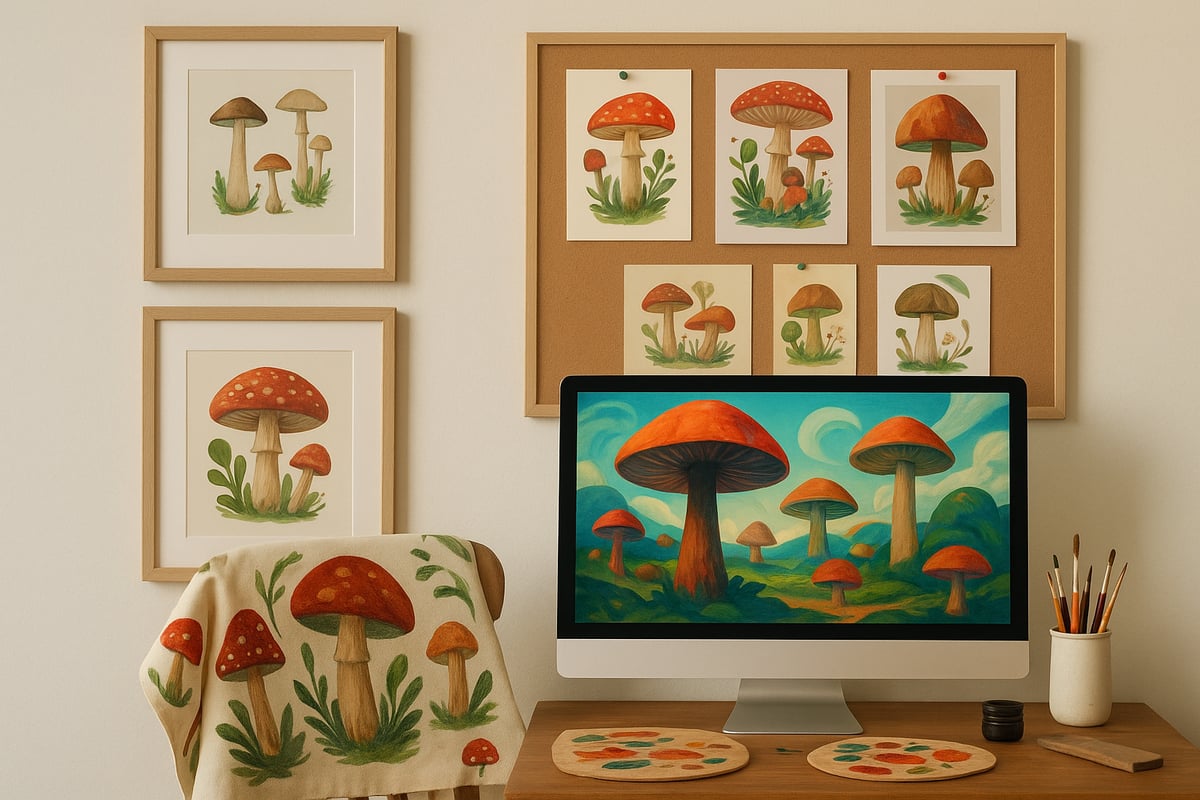
Traditional botanical illustration remains a cornerstone of mushroom art in 2026. Artists use watercolour, ink, and graphite to create scientifically accurate depictions of fungi, often referencing real-life specimens found in Australian forests. These pieces showcase delicate gills, textured caps, and subtle colour variations, highlighting the intricate beauty of mushrooms.
Eloise Short’s hand-drawn Giclee art prints are prime examples, blending artistic flair with educational value. Her detailed approach helps viewers appreciate the diversity of native fungi and fosters a deeper connection to the natural world. Botanical mushroom art is not only valued for its visual appeal but also plays a role in conservation and education.
Collectors often choose these prints for their timeless style and relevance to Australian flora. Whether displayed in a lounge room or a study, traditional botanical mushroom art brings a sense of calm, curiosity, and nature-inspired elegance to any space.
Abstract and Modern Interpretations
In 2026, mushroom art takes bold new directions through abstract and modern interpretations. Artists experiment with vibrant shapes, exaggerated forms, and unexpected textures to evoke the essence of mushrooms without strict realism. These works often draw inspiration from abstract expressionism, using colour and movement to represent growth and transformation.
The popularity of natural motifs in design is growing, as highlighted in graphic design trends for 2026. Mushroom art is at the forefront, with artists reimagining fungi through layered brushstrokes, splashes of colour, and tactile surfaces. These pieces are both visually striking and emotionally resonant.
Collectors are drawn to modern mushroom art for its boldness and versatility. Pieces from Bluethumb’s contemporary collections are perfect for making a statement in modern homes. Abstract mushroom art invites viewers to interpret the forms and meanings for themselves, creating a dynamic connection with each piece.
Digital and Surrealist Mushroom Art
Digital technology has revolutionised mushroom art, making it accessible to more creators than ever. Artists use tablets, software, and AI tools to craft intricate mushroom landscapes that blur the line between reality and fantasy. Surrealist styles are especially popular, featuring glowing fungi, floating spores, and dreamlike forest scenes.
Social media platforms and digital art marketplaces have amplified this trend. In 2026, mushroom art often incorporates animated elements, interactive features, or even virtual reality experiences. Key artists use digital layering, vibrant palettes, and imaginative compositions to transport viewers into magical mushroom worlds.
What sets digital mushroom art apart is its limitless potential for experimentation. Artists mix hand-drawn elements with computer-generated textures, creating pieces that are both innovative and deeply personal. This style appeals to tech-savvy collectors and those who love the unexpected in their art.
Textile and Mixed Media Mushroom Art
Mushroom art has found a tactile home in textile and mixed media creations. Embroidery, fabric prints, and layered materials bring fungi to life in three dimensions. Artists use techniques like applique, digital textile design, and hand-stitching to build rich, textured surfaces that engage both the eyes and hands.
Australian designers are incorporating mushroom motifs into fashion, accessories, and home décor. From embroidered cushions to fabric wall hangings, these pieces add warmth and personality to any room. The use of sustainable fabrics and natural dyes reflects a broader shift towards eco-conscious art.
Mixed media mushroom art stands out for its creativity and versatility. Artists blend recycled materials, found objects, and traditional crafts, resulting in unique works that celebrate both nature and innovation. These pieces are perfect for collectors who appreciate texture and craftsmanship in their mushroom art.
Pop Culture and Whimsical Styles
Playful, cheerful, and often minimalist, pop culture and whimsical styles are making mushroom art more accessible than ever. Influenced by children’s books, animation, and internet trends, artists create cartoonish mushrooms with big eyes, bold outlines, and bright colours.
Mushroom art in this style appears on everything from clip art and stickers to greeting cards and digital illustrations. Collections like Ladybugs and Mushrooms prints are especially popular for nurseries, kitchens, and gifts. These designs spark joy and nostalgia, making them a favourite among families and young collectors.
The simplicity of whimsical mushroom art belies its creativity. Artists use clean shapes and clever details to tell stories, evoke emotions, or simply make viewers smile. Whether you’re looking for a quirky print or a fun sticker, this style brings a sense of playfulness to the world of mushroom art.
How to Start Your Own Mushroom Art Collection
Starting a mushroom art collection is a rewarding way to bring the magic of fungi into your home. Whether you are drawn to the detailed lines of botanical prints or the playful charm of whimsical illustrations, there are countless options to explore. Here is a step-by-step guide to help you discover, select, and care for stunning mushroom art that reflects your taste and values.
Finding and Selecting Mushroom Artworks
Begin your mushroom art journey by browsing online galleries like Bluethumb, artist shops such as Eloise Short, and local art fairs. These sources offer a wide variety of styles, from original paintings to high-quality prints. When choosing artwork, consider print types—Giclee prints are known for their archival quality and colour accuracy, while open edition prints offer affordability.
Assess the materials used, the artist’s reputation, and the uniqueness of each piece. Look for works that capture your interest, whether through vibrant colours, realistic detail, or imaginative forms. For inspiration, you can explore artworks featuring native and gourmet fungi, as highlighted in Gourmet mushrooms in Australia. This can help you appreciate the diversity of mushrooms depicted by artists.
When selecting mushroom art, think about the space you want to fill. Measure your wall area and decide if a single statement piece or a curated set fits best. Framing choices, such as timber or minimalist black, can enhance the overall look and protect your investment.
Supporting Local and Sustainable Artists
Supporting local Australian artists when collecting mushroom art adds a layer of meaning to your collection. Many artists use eco-friendly materials, such as archival inks and sustainably sourced timber frames, to ensure their work is both beautiful and responsible.
Buying directly from artists or their official shops allows you to learn about their creative process and values. Ask about the materials used and their sourcing practices. Authenticity is important, so request certificates or documentation for original works and limited editions.
Choosing sustainable mushroom art helps promote ethical practices in the art community. Your support enables artists to continue creating, while also encouraging environmentally conscious production. Examples like Eloise Short’s commitment to sustainable framing highlight the positive impact of mindful collecting.
Displaying Mushroom Art in Your Home
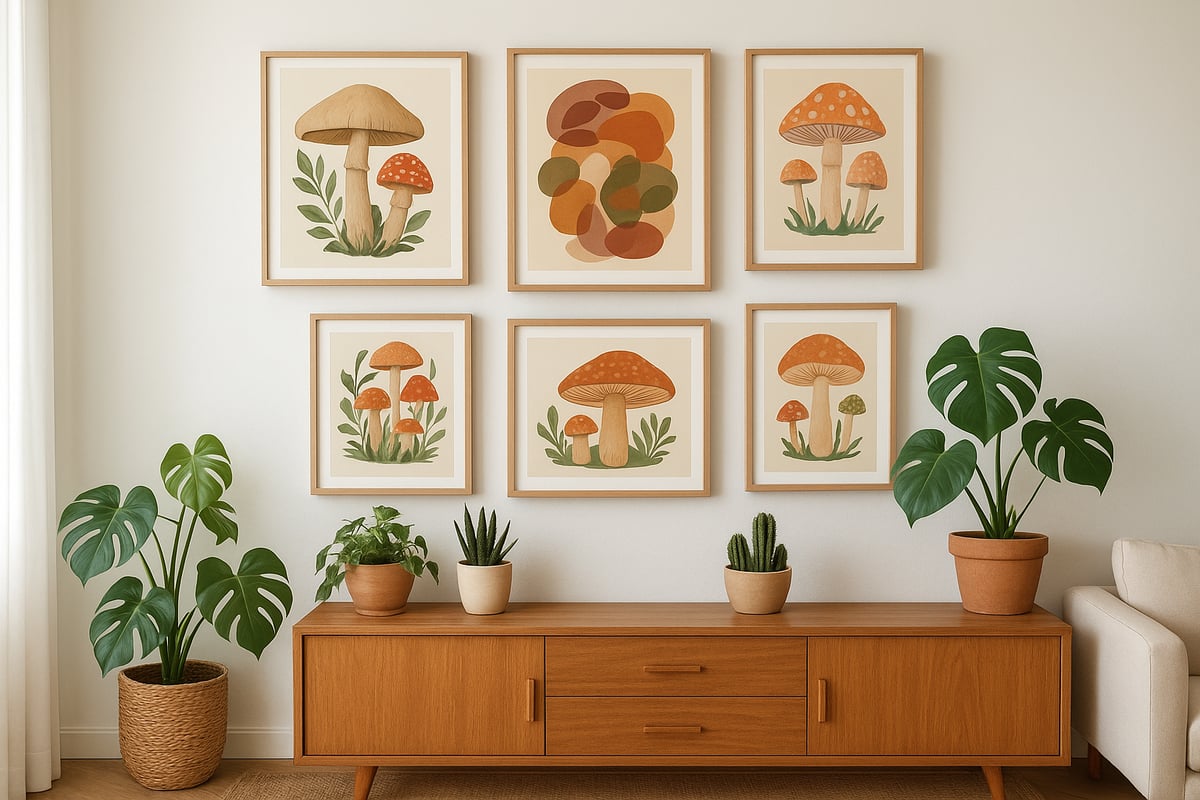
Displaying mushroom art thoughtfully can transform any room into a haven of natural inspiration. Start by choosing locations with good natural light, such as living rooms, studies, or kitchens. Pairing your art with indoor plants or botanical décor enhances a biophilic atmosphere and brings the outdoors in.
Experiment with different display methods. Use classic frames for a polished look, or try magnetic hangers for a modern, flexible arrangement. Creating a gallery wall with multiple mushroom art pieces can make a bold statement and showcase various styles together.
When integrating mushroom art into your décor, consider the overall aesthetic of your space. Mix and match artworks with similar colour palettes or themes for cohesion. Whether you prefer a single striking print or a playful series, mushroom art offers endless possibilities for creative expression.
Caring for and Preserving Artworks
Proper care is essential to keep your mushroom art looking vibrant for years. Handle prints and originals with clean hands, and avoid touching the surface directly. Dust frames gently with a soft cloth and keep artworks out of direct sunlight to prevent fading.
Choose archival materials, such as acid-free mats and UV-protective glass, when framing your art. These steps help safeguard colours and paper quality over time. If you need to store your mushroom art, keep it flat in a cool, dry place, away from moisture and heat.
When moving or renovating, wrap your pieces in protective materials and avoid stacking heavy objects on top. Regularly inspect your collection for any signs of damage or deterioration. With mindful care, your mushroom art collection will remain a source of joy and inspiration.
Creating Your Own Mushroom Art: A Step-by-Step Guide
Ready to dive into the world of mushroom art? Whether you are a beginner or want to refine your skills, this step-by-step guide will help you create imaginative, beautiful works inspired by fungi. Let’s break down the creative process so you can confidently start your own mushroom art journey.
Gathering Inspiration and References
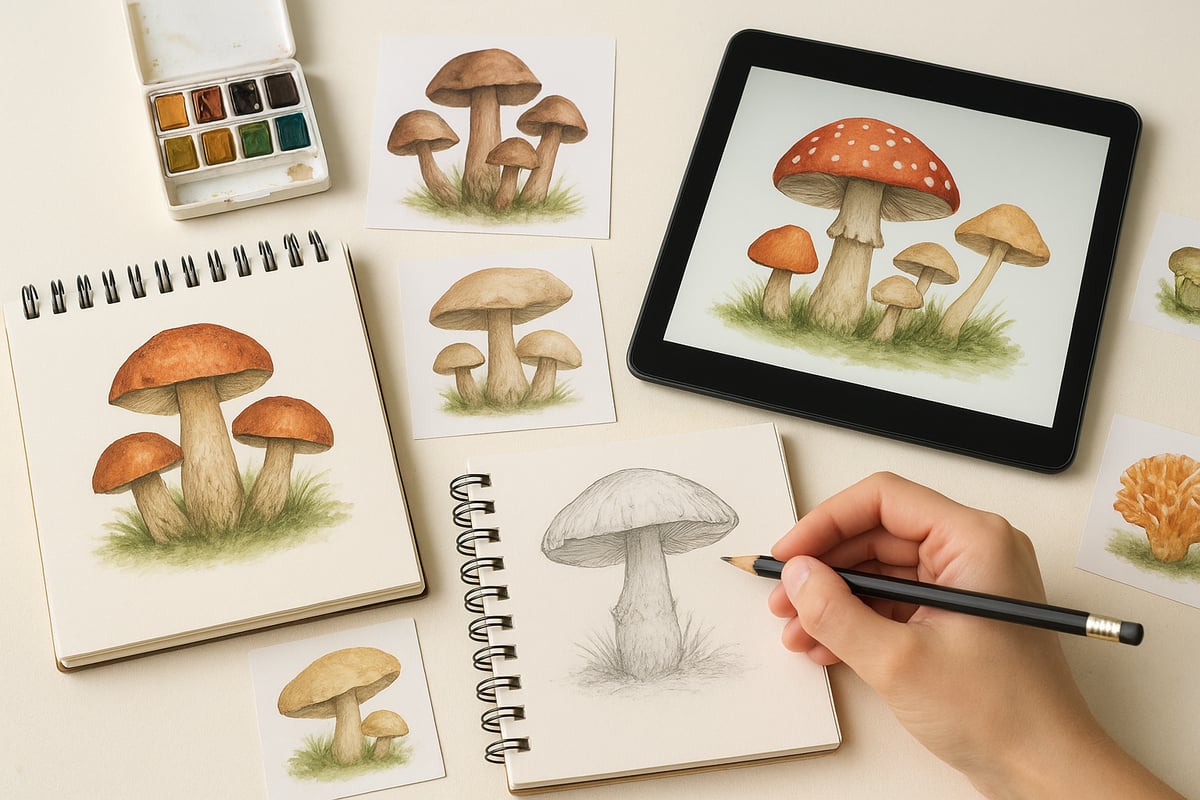
Every great mushroom art piece starts with inspiration. Begin by observing real mushrooms in your local parks, gardens, or during a foraging walk. Bring a camera or sketchbook to record interesting shapes, textures, and colours you encounter.
Field guides are invaluable for identifying native species and understanding their unique features. Online resources can expand your reference library. Botanical databases, art communities, and Pinterest boards are brimming with creative ideas and detailed images. For artists interested in rare and unusual fungi, the Exotic mushrooms and varieties blog post offers a treasure trove of reference material to spark your imagination.
Decide whether to sketch from life or work from photographs. Either way, gathering a variety of references will make your mushroom art more authentic and engaging.
Choosing Your Medium and Tools
The next step in creating mushroom art is selecting your medium. Watercolour and ink are ideal for delicate, detailed studies, while acrylics offer bold colours and texture. Digital tools open up endless possibilities for layering, blending, and experimenting with surreal effects.
Consider the surface you’ll work on. Watercolour paper, canvas, or fabric each bring a different feel to your art. If you are just starting, invest in a basic set of paints or pencils, a quality sketchbook, and a few brushes. For digital artists, beginner-friendly apps like Procreate or Adobe Fresco are excellent choices.
Take time to test your materials. Each medium will bring out different qualities in your mushroom art, so experiment to find what suits your style best.
Step-by-Step Process for Beginners
Now you are ready to start your mushroom art. Begin by planning your composition. Use thumbnail sketches to explore different layouts and decide on the focal point.
Lightly outline the main mushroom shapes and features with a pencil. Pay attention to proportions and unique details, like gills, stems, and caps. Next, slowly build up colour and texture in layers. With watercolour, start light and gradually add depth. With acrylics or digital media, use layering to create vibrant effects.
Don’t forget the background. A soft wash, forest floor, or abstract touches can add atmosphere. Finish your artwork by adding final details, highlights, or abstract flourishes. Sign and date your piece to celebrate your progress in mushroom art.
Sharing and Selling Your Art
Once your mushroom art is complete, it’s time to share it with the world. Photograph your work in natural light to capture true colours and detail. Digitise your art for easy sharing on social media, online shops, or personal portfolios.
Consider joining mushroom art communities for feedback and inspiration. Platforms like Instagram, Etsy, and local art markets are great places to connect with fellow artists and potential buyers. If you wish to sell your work, research simple pricing strategies and presentation ideas to help your mushroom art stand out.
No matter your goal, sharing your creativity can be deeply rewarding and help you grow as an artist.
Trends and Innovations in Mushroom Art for 2026
The world of mushroom art is evolving rapidly in 2026, with new trends and innovations captivating artists and collectors alike. As interest in fungi grows, creators are pushing boundaries through sustainable practices, cutting-edge technology, and fresh inspiration from Australia's unique environment. Let us explore five key trends shaping the future of mushroom art.
Eco-Conscious and Sustainable Art Practices
Sustainability is a major focus in mushroom art today. Many artists have shifted towards using recycled paper, plant-based inks, and biodegradable materials. This move not only reduces environmental impact but also mirrors the natural cycles embodied by mushrooms.
Eco-friendly art is more than a trend, it is a movement. Creators are mindful of sourcing, often choosing local and renewable supplies. Some even use mushroom-based materials, like mycelium paper or natural dyes.
Here are a few popular sustainable materials in mushroom art:
- Recycled cotton rag paper
- Plant-derived pigments
- Sustainably harvested timber frames
Collectors and artists are drawn to works that reflect both beauty and ethical responsibility. This eco-conscious approach is reshaping the appeal of mushroom art for a new generation.
Integration of Technology and AI
Technology is transforming how mushroom art is created and experienced. Digital painting tools and AI programs allow artists to explore forms, colours, and textures that were once impossible. Surreal landscapes and intricate patterns now appear in both digital and mixed media works.
AI-generated mushroom art is gaining popularity on social platforms, often blending organic shapes with futuristic elements. Some artists are inspired by scientific research, such as the electrical activity in oyster mushroom mycelium, to create dynamic visualisations and interactive installations.
This blend of hand-drawn and digital techniques opens new creative pathways, making mushroom art more accessible and innovative than ever before.
The Influence of Australian Flora and Fauna
Australia’s diverse fungi and native landscapes are a rich source of inspiration for mushroom art. Artists often depict native mushroom species alongside local plants, insects, and animals, creating works that celebrate the country’s biodiversity.
Botanical illustrators reference field guides and real-life foraging to capture the subtle details of Australian fungi. Textile artists and printmakers also incorporate these motifs into their designs, bringing a uniquely local flavour to their creations.
Some popular mushroom art themes include:
- Native blue and pink waxcaps
- Fairy inkcaps among eucalyptus leaves
- Mushrooms with native beetles or birds
This connection to place gives mushroom art a distinct Australian identity, making each piece more meaningful for collectors.
Cross-Disciplinary Collaborations
Collaboration is a driving force in the mushroom art scene. Artists are teaming up with scientists, educators, and community groups to create public installations, workshops, and exhibitions. These projects often blend scientific accuracy with creative expression.
Workshops might teach children to illustrate mushrooms, while public murals showcase the diversity of local fungi. Some galleries partner with conservation groups to highlight the ecological importance of mushrooms through art.
Collaborative projects foster learning, spark creativity, and strengthen the link between art, science, and community. This spirit of cooperation is helping mushroom art reach new audiences across Australia.
Collecting and Investing in Mushroom Art
Collecting mushroom art is more rewarding than ever, thanks to rising demand and a thriving market. Nature-inspired works are gaining value, attracting both first-time buyers and seasoned collectors. Australians are seeking unique pieces that reflect their love of the natural world.
When investing, it helps to consider factors like artist reputation, edition size, and the use of archival materials. According to Australia mushroom market growth statistics, interest in mushroom-related products is on the rise, a trend that extends to the art world as well.
Mushroom art offers a blend of aesthetic beauty, cultural meaning, and long-term value, making it a smart addition to any collection.
Resources and Inspiration for Mushroom Art Lovers
Whether you are starting your mushroom art journey or looking to deepen your passion, there is a world of resources and inspiration at your fingertips. Explore the best places to discover, learn, and grow your love for mushroom art, from online galleries to nature walks and creative communities.
Online Galleries and Artist Platforms
If you want to browse or buy mushroom art, start with online galleries like Bluethumb, Etsy, and Saatchi Art. These platforms showcase a wide array of styles, from detailed botanical prints to vibrant digital pieces.
Check out artist websites and Instagram pages for exclusive releases and behind-the-scenes looks at the creative process. Many artists offer commissions, so you can request custom mushroom art tailored to your taste.
When engaging with artists, leave thoughtful comments, share your favourite works, or inquire about limited editions. Building relationships enriches your experience and supports the mushroom art community.
Books, Courses, and Workshops
Deepen your understanding of mushroom art with books on botanical illustration, fungi identification, and creative techniques. Popular titles include guides to Australian fungi and step-by-step drawing manuals.
Online courses and video tutorials help both beginners and advanced artists learn new skills. Many Australian art schools and botanical gardens offer in-person workshops, providing hands-on experience with mushroom art in a supportive setting.
Joining a workshop is also a great way to meet like-minded people and get personalised feedback on your mushroom art projects.
Digital Tools and Communities
Digital illustration apps such as Procreate and Adobe Fresco make it easy to experiment with mushroom art, whether you are sketching on a tablet or editing photos. Explore online forums, Facebook groups, and Discord servers dedicated to mushroom art for advice, critique, and collaboration.
Participate in monthly art challenges to push your creativity and connect with fellow enthusiasts. For more ways mushrooms can spark inspiration, see how mushroom for brain health highlights the link between fungi and cognitive wellness, which can fuel artistic exploration.
Sharing your digital mushroom art online helps you build a portfolio and find your creative tribe.
Nature as Inspiration: Foraging and Field Guides
Nature is a boundless source of ideas for mushroom art. Use Australian field guides to identify local fungi and inspire your next piece. Responsible foraging and ethical photography are important, so always respect the environment and follow local guidelines.
Visiting botanical gardens and national parks lets you observe mushrooms in their natural habitat, capturing unique shapes and colours for your art. If you are curious about the wider impact of fungi, discover the benefits of mushrooms and how they influence both culture and creativity.
Sketching or photographing mushrooms outdoors brings authenticity and freshness to your mushroom art.
Gift Ideas and Mushroom Art Merchandise
Mushroom art makes a thoughtful gift for nature lovers and art collectors. Choose from art prints, greeting cards, textiles, and home décor featuring whimsical or realistic fungi designs.
Many artists offer personalised commissions, letting you celebrate special occasions with unique mushroom art. Shopping from local creators supports small businesses and ensures your pieces are made with care.
From statement wall art to cosy cushions, mushroom art merchandise brings the beauty of fungi into everyday life and lets you share your passion with others.