

Brain Mushroom Guide: Discover Benefits, Uses & Safety 2026
Are you captivated by the strange and fascinating world of the brain mushroom? This unusual fungus is both celebrated and feared, sparking curiosity among food lovers, foragers, and health enthusiasts alike.
In this guide, you’ll discover what makes the brain mushroom stand out in the fungal kingdom. We’ll explore its unique characteristics, potential health benefits, culinary and medicinal uses, tips for safe identification, and the latest research shaping its future.
Uncover the allure and controversy surrounding the brain mushroom, learn why it’s gaining attention in wellness and cuisine, and find out how to make informed choices about its use. Get ready to explore everything you need to know for 2026 and beyond.
What Are Brain Mushrooms?
The brain mushroom is one of the most intriguing and controversial fungi found in nature. Known for its wrinkled, brain-like cap and vibrant colours, this mushroom has fascinated foragers, chefs, and scientists alike. Yet, with its striking resemblance to other edible mushrooms and a history of both culinary use and toxic incidents, understanding the brain mushroom is essential before considering it for the table or medicine cabinet.
Defining Brain Mushrooms
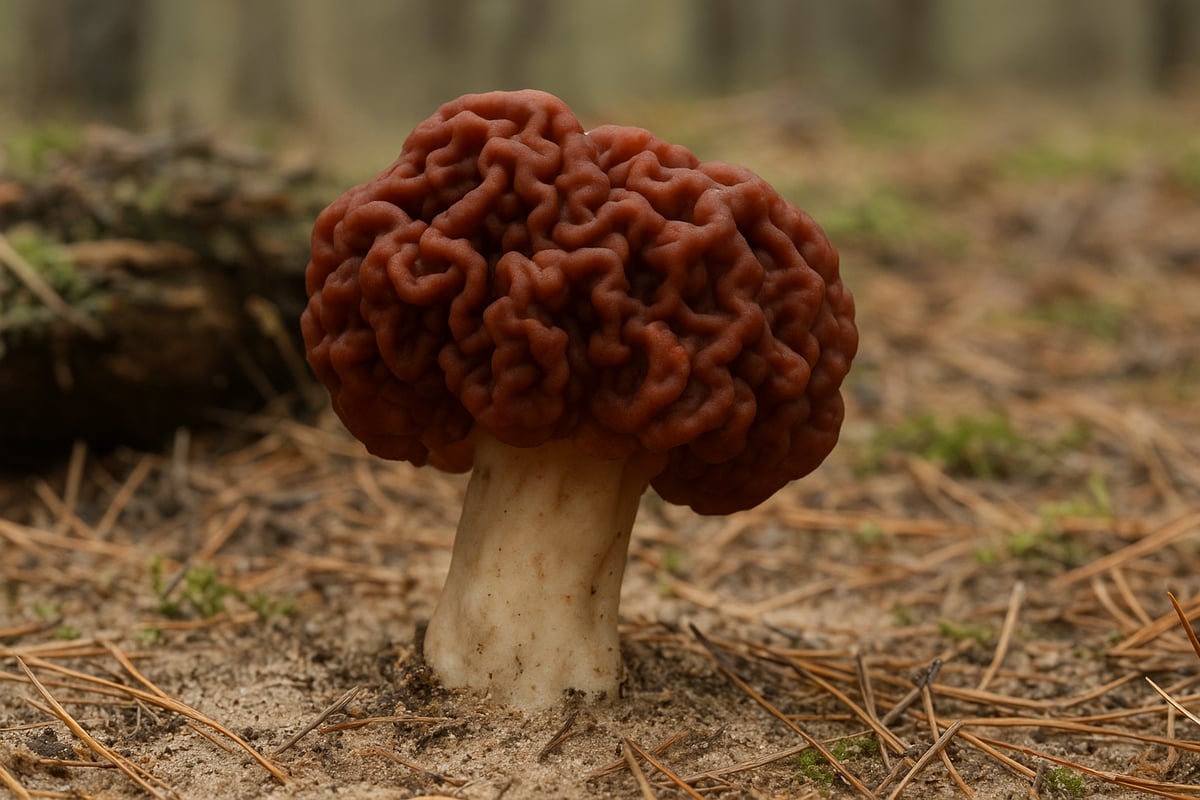
The term brain mushroom typically refers to Gyromitra esculenta and related species in the Gyromitra genus. These fungi are famous for their cap, which looks like a convoluted brain with folds and wrinkles. The cap ranges from reddish-brown to chestnut, sometimes appearing almost purple in certain light.
Unlike true morels, which are prized gourmet mushrooms, the brain mushroom is often called a "false morel." While both may appear similar at a glance, their internal structure and surface details are quite distinct. The brain mushroom's cap sits loosely on the stem, and its interior is chambered and irregular, unlike the hollow, honeycomb interior of a true morel.
Here’s a quick table to help clarify the differences:
| Feature | Brain Mushroom (Gyromitra) | True Morel (Morchella) |
|---|---|---|
| Cap Shape | Wrinkled, brain-like | Honeycomb, pitted |
| Cap Attachment | Loosely on stem | Fused to stem |
| Interior | Chambered, irregular | Hollow |
| Colour | Reddish-brown, chestnut | Tan to dark brown |
Brain mushrooms are also known as turban fungus, elephant ears, or simply false morels. They belong to the Fungi kingdom, specifically within the Gyromitra genus and Discinaceae family.
If you're interested in learning more about safe identification and distinguishing edible from toxic mushrooms, check out Identifying gourmet mushrooms safely.
Natural Habitat and Growth Patterns
Brain mushrooms thrive in cool, temperate regions across North America and Europe, especially in Germany, Poland, and Finland. These fungi prefer coniferous forests, where they often appear in sandy soils rich with decaying wood. Look for them under pine trees or near fallen logs.
The brain mushroom typically emerges in spring and early summer, making this the prime season for foragers. It starts its lifecycle as a tiny spore, slowly developing into a mature fruiting body with its signature wrinkled cap. The mushroom often grows singly or in small clusters, blending in with forest debris.
These fungi play a role in breaking down organic matter, helping to recycle nutrients within the forest ecosystem. Their presence indicates a healthy, functioning woodland, although they can sometimes be mistaken for other less toxic or edible species. Because of their preferred habitat, it's important to pay close attention to the environment and growth patterns when foraging for brain mushrooms.
Historical and Cultural Context
Throughout history, the brain mushroom has held a unique place in European and Scandinavian cultures. In countries like Finland and Poland, it was once considered a delicacy, especially when prepared using traditional methods designed to reduce its natural toxins.
Folklore and myths often surrounded the brain mushroom, with stories about its mysterious appearance and powerful effects. However, there have also been numerous cases of poisoning, some fatal, leading to increased regulation and public warnings. In Spain, the sale of brain mushrooms is now banned, while Finland requires strict labelling and preparation guidelines to protect consumers.
The brain mushroom remains a symbol of both culinary curiosity and caution. Foragers and chefs are drawn to its distinctive look and taste, but its controversial history means that education and careful handling are vital. In modern foraging culture, the brain mushroom is often cited as a classic example of why proper identification and preparation are critical for anyone interested in wild mushrooms.
Health Benefits of Brain Mushrooms
Exploring the health benefits of the brain mushroom reveals a fascinating mix of nutritional promise, scientific intrigue, and cautionary tales. While brain mushrooms have captured the curiosity of foragers and researchers alike, their unique properties come with complexities that set them apart from other wild fungi.
Potential Nutritional Value
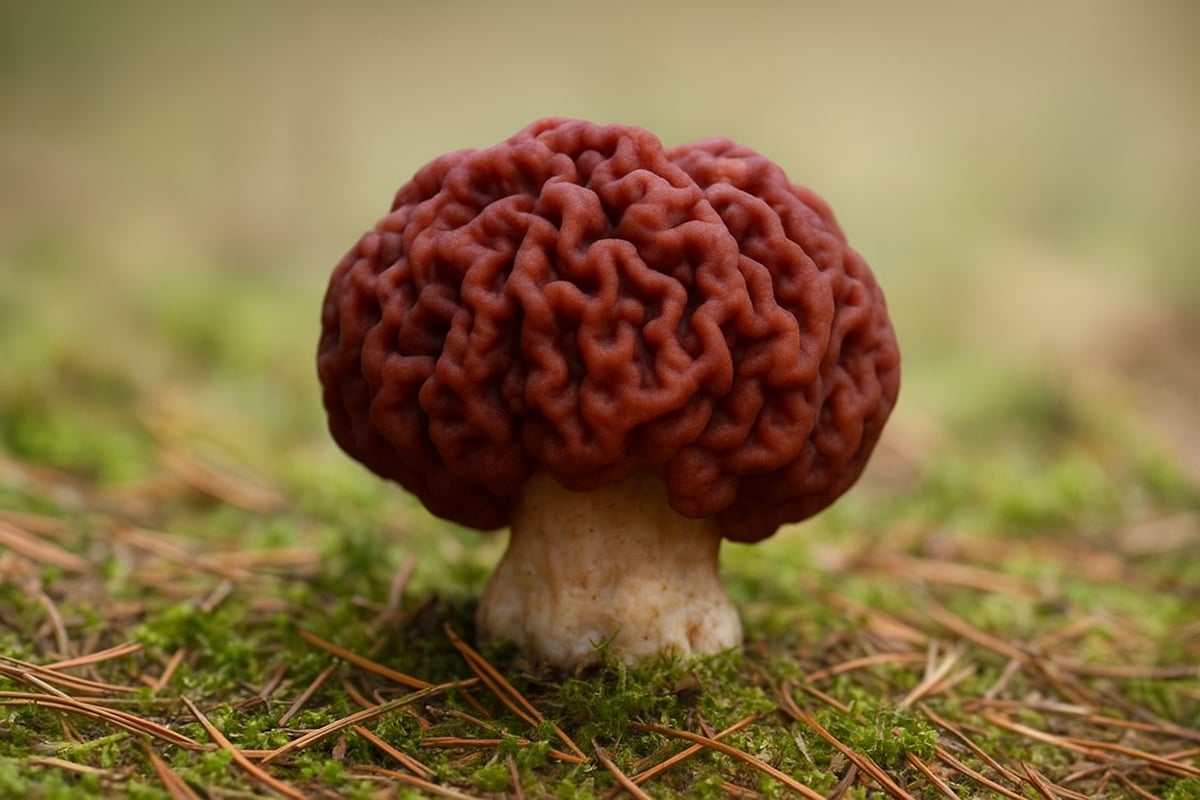
The brain mushroom, like many wild fungi, contains a mix of nutrients that can support general health. Early studies suggest it may offer small amounts of vitamins such as B-complex, as well as minerals like potassium and iron. However, the exact nutritional profile is not fully mapped, mainly due to safety concerns limiting widespread analysis.
Compared to other edible mushrooms, the brain mushroom is lower in protein and fibre. Its antioxidant content, while present, is not as well documented as in species like Shiitake or Lion’s Mane. Antioxidants play a role in supporting immune function and reducing oxidative stress, but the levels in brain mushrooms remain uncertain.
Here’s a simple comparison of nutrients in brain mushroom and other popular species:
| Nutrient | Brain Mushroom | Lion’s Mane | Shiitake |
|---|---|---|---|
| Protein | Low | Moderate | Moderate |
| Fibre | Low | Moderate | High |
| B Vitamins | Present | High | High |
| Antioxidants | Unclear | High | High |
Despite these nutrients, the risks associated with the brain mushroom mean it is not commonly recommended as a dietary staple.
Medicinal Compounds and Research
The brain mushroom stands out for its unique chemical makeup, particularly the presence of gyromitrin. This compound, while notorious for its toxicity, has also drawn interest from scientists studying its structure and biological effects. Gyromitrin breaks down into MMH (monomethylhydrazine), a substance known for its impact on the nervous system.
Historical folk medicine sometimes referenced the brain mushroom for treating minor ailments, but these uses have not been validated by modern science. Current research focuses more on understanding toxicity than on finding health benefits. Some laboratory studies have explored gyromitrin derivatives for potential anti-inflammatory or antimicrobial properties, but these are in very early stages.
For those interested in how mushrooms can influence brain health, it’s important to distinguish between toxic species like the brain mushroom and safer alternatives. You can learn more about the broader topic of mushroom and brain health insights to see how different mushrooms compare.
Cognitive and Neurological Claims
There are many myths about the brain mushroom boosting cognitive function, possibly because of its name and unusual appearance. Unlike Lion’s Mane, which is celebrated for its potential brain-supporting compounds, the brain mushroom does not have established nootropic effects.
Some foragers and traditional healers have shared anecdotal stories of using the brain mushroom for mental clarity, but these claims lack scientific backing. In fact, the neurotoxic effects of gyromitrin make it a risky choice for anyone seeking brain health benefits.
Confusing the brain mushroom with proven nootropic species is a common mistake. Always remember that similarity in appearance or name does not equal similarity in effect. If you are interested in cognitive enhancement, it is much safer to explore well-researched options rather than rely on the brain mushroom.
Cautions and Limitations of Benefits
Despite its intriguing profile, the brain mushroom’s health benefits are more theoretical than practical. There is a lack of conclusive evidence supporting its use for nutrition or medicine. In most cases, the risks of consuming brain mushrooms far outweigh any potential advantages.
Regulatory bodies in Australia and across Europe have issued strong warnings or outright bans on collecting and selling the brain mushroom for food. After World War II, countries like Germany and Poland reported a rise in poisonings linked to this fungus, highlighting the dangers of improper use.
In summary, while the brain mushroom has sparked curiosity for its possible benefits, caution is paramount. Most experts recommend avoiding it altogether in favour of safer, better-studied mushrooms.
Culinary and Medicinal Uses
Curious about how the brain mushroom makes its way from forest floor to table or medicine cabinet? This section guides you through its culinary traditions, medicinal curiosity, market trends, and crucial safety practices.
Traditional Culinary Applications
The brain mushroom has a long and complicated history in the kitchens of Finland, Poland, and Eastern Europe. Some locals consider it a seasonal delicacy, with dishes ranging from creamy soups to savoury pies. However, its use requires extreme caution due to its natural toxicity.
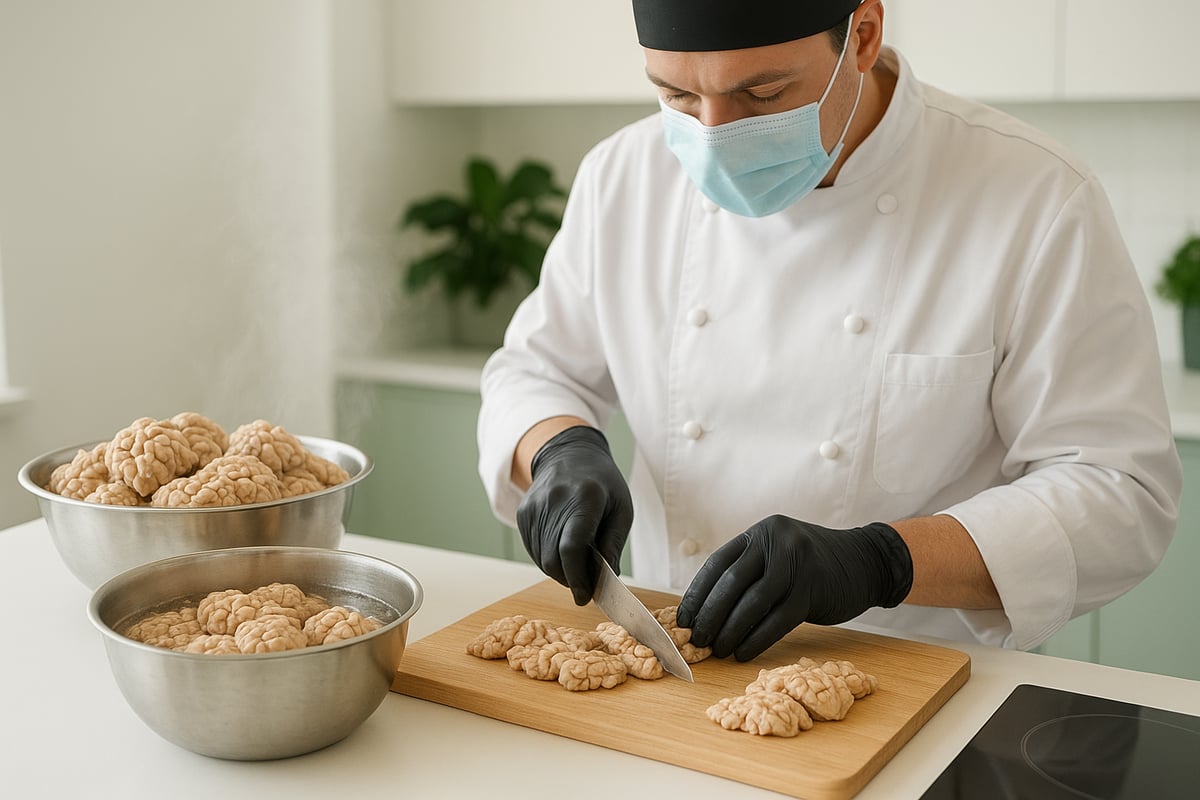
Preparation is everything. Authorities in Finland recommend a strict process to reduce risk:
- Chop the brain mushroom into small pieces.
- Boil in a large amount of water (at least three times the volume of mushrooms) for five to ten minutes.
- Drain and rinse thoroughly.
- Repeat the boiling and rinsing process at least twice, always using fresh water.
- Ensure the kitchen is well-ventilated, as toxic vapours can be released during cooking.
Some describe the flavour of the brain mushroom as mild and nutty, making it appealing to adventurous eaters. Yet, warnings are clear: incorrect preparation can lead to severe poisoning. In some regions, such as Spain, the sale of brain mushroom is banned outright. Always check local regulations before considering culinary use.
Medicinal and Folk Uses
Throughout history, the brain mushroom has appeared in folk remedies, especially in parts of Eastern Europe. While stories circulate about traditional uses, there is little scientific evidence to back medicinal claims. Interest today focuses on the mushroom's bioactive compounds, although its toxicity limits practical applications.
Unlike well-known medicinal fungi such as Lion's Mane or Reishi, the brain mushroom is not widely regarded as safe or effective for cognitive enhancement. If you are seeking mushrooms for brain health, consider reviewing Lion's Mane vs. brain mushrooms for a balanced comparison. Researchers continue to study compounds found in the brain mushroom, but most findings highlight risks rather than benefits.
Modern Innovations and Market Trends
While brain mushroom remains a niche ingredient, some contemporary chefs and foragers are experimenting with it in novelty dishes. However, strict preparation guidelines and legal restrictions limit its appearance on menus. In Finland, for example, products containing brain mushroom must be clearly labelled with preparation instructions and warnings.
Availability is inconsistent. The brain mushroom is banned in Spain's markets and subject to heavy regulation in several European countries. In Australia, regulations vary by state, but most experts advise against foraging or consuming it without specialist knowledge. Despite these barriers, the brain mushroom attracts the curiosity of adventurous cooks and foragers keen to explore its complex character.
Safety in Preparation and Consumption
Safety is paramount when handling the brain mushroom. Misidentification is a common risk, as it can be confused with edible morels. Always consult local field guides and, if possible, an experienced mycologist before harvesting.
Government agencies stress the importance of following official preparation steps to reduce toxicity. Home cooks should be aware that even after extensive boiling and rinsing, some toxins may remain. There have been numerous reports of poisoning linked to improper preparation of brain mushroom. Professional kitchens with proper safety protocols are better equipped to handle this risky ingredient.
For those interested in exploring wild mushrooms, the brain mushroom serves as a powerful reminder: knowledge, caution, and respect for nature are essential.
Identification and Foraging Guide
The world of foraging is full of surprises, and few fungi are as intriguing as the brain mushroom. If you’re curious about finding, identifying, and safely handling this unique species, it’s vital to understand the details before heading out. Here’s your step-by-step guide to recognising and responsibly foraging the brain mushroom.
How to Identify Brain Mushrooms
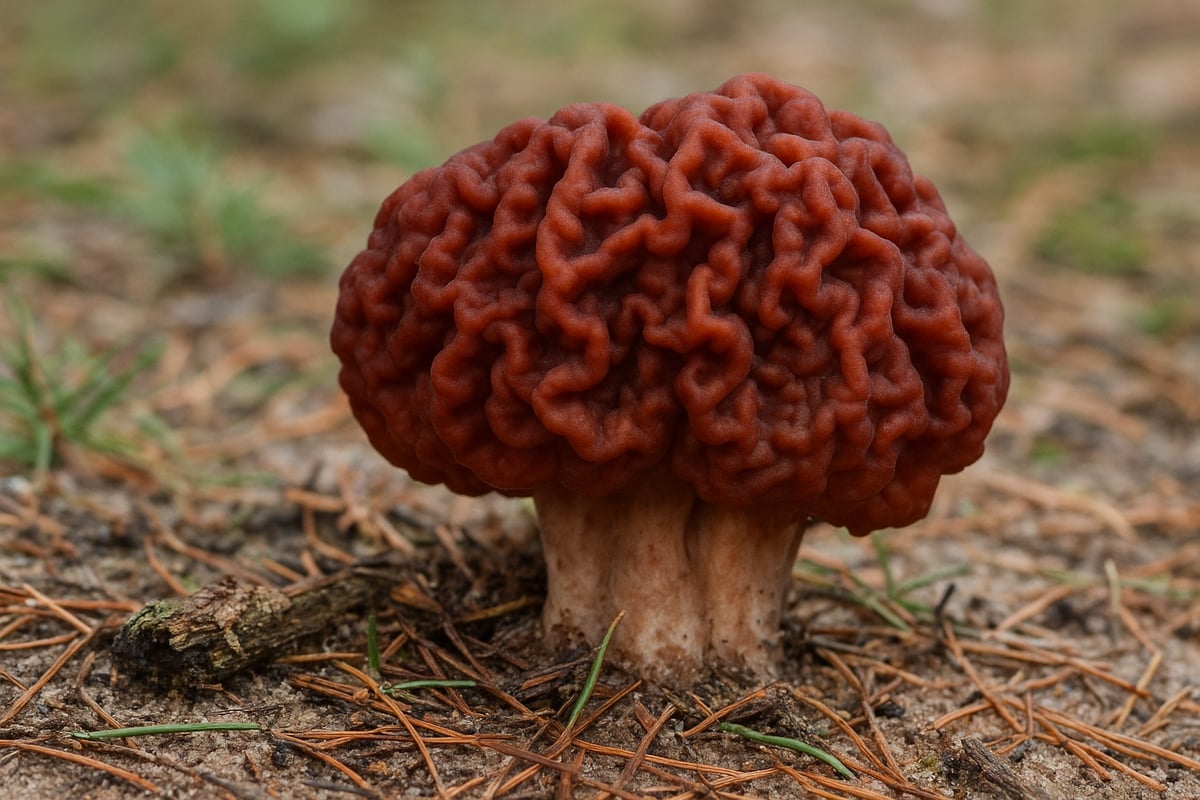
Identifying the brain mushroom starts with a close look at its distinctive features. This species is known for its wrinkled, lobed, and deeply folded cap, which often resembles the surface of a human brain. Colours range from reddish-brown to chestnut, sometimes with lighter or darker patches.
A key point is the shape and attachment of the cap. The brain mushroom’s cap is irregular and sits loosely on a short, thick stalk. Unlike true morels, which have a honeycomb-like structure and a cap attached directly to the stem, the brain mushroom’s cap is lobed and wavy. The inner flesh is brittle and pale, with chambers inside rather than a hollow stem.
Here’s a quick comparison:
| Feature | Brain Mushroom | True Morel |
|---|---|---|
| Cap Texture | Wrinkled, brain-like | Honeycomb, pitted |
| Cap Attachment | Loosely attached | Fused to stem |
| Internal Structure | Chambered, brittle | Hollow |
| Colour | Reddish-brown to chestnut | Tan, yellow, or black |
Always use a reliable field guide and take clear photos when you encounter a brain mushroom.
Foraging Best Practices
Foraging for the brain mushroom demands caution and respect for nature. Never forage alone or without guidance from an experienced mycologist or local mushroom club. Even seasoned foragers can make mistakes, so a second opinion helps prevent mishaps.
Check local regulations before collecting any wild mushrooms. In Australia, foraging laws can vary by state and region, and the brain mushroom may be subject to restrictions due to its toxicity. Always follow posted guidelines and respect private property.
Essential tools for foraging include a field guide, a small knife, and a breathable basket to keep specimens fresh. Mobile apps and online forums can help with identification, but never rely on digital tools alone for final decisions. If you find a brain mushroom, document your discovery for scientific records, including notes on location, habitat, and photos.
Avoiding Dangerous Lookalikes
The brain mushroom is notorious for being confused with other edible and toxic species. The most common mix-up is with true morels, which are safe to eat but look superficially similar. However, the consequences of misidentification can be severe, sometimes leading to hospitalisation.
Symptoms of poisoning may not appear for several hours, so prompt action is critical if ingestion occurs. If you’re ever unsure, consult expert resources like the Gyromitra Mushroom Toxicity Overview to understand the risks and symptoms associated with this mushroom.
Case studies have shown that misidentification is one of the leading causes of mushroom poisoning. To stay safe, always perform a spore print, assess the habitat, and confirm all features before consuming any wild mushroom. Remember, it’s better to leave a brain mushroom behind than to risk your health.
Environmental and Ethical Foraging
Responsible foraging means more than just identifying the brain mushroom correctly. It’s about preserving the forest ecosystem for future generations. Only harvest what you need, and avoid disturbing decaying wood or forest litter that provides habitats for fungi and small animals.
Use a knife to cut mushrooms at the base rather than pulling them out, which helps protect the underground mycelium. Stick to established trails and avoid collecting in protected areas or nature reserves unless permitted.
Respect all local regulations and always report rare finds to mycological societies. By following these guidelines, you help maintain the delicate balance of forest life while enjoying the thrill of discovering the brain mushroom.
Safety, Toxicity & Legal Considerations
The brain mushroom has gained notoriety due to its potent toxins and the health risks it poses. Understanding its dangers, how to handle it safely, and knowing the legal landscape is vital for anyone considering foraging or consuming this species.
Understanding Brain Mushroom Toxicity
Brain mushroom toxicity is mainly due to a compound called gyromitrin. This toxin breaks down into monomethylhydrazine (MMH), a chemical also used in rocket fuel. Symptoms of poisoning can include vomiting, diarrhoea, headaches, tremors, and in severe cases, coma or even death. The latency period for symptoms is often several hours, but effects can appear up to two days after eating the mushroom.
Toxicity can vary based on the mushroom's age, environment, and the individual's sensitivity. Notably, the frequency of poisoning is higher in countries like Germany and Poland, especially after World War II when food shortages drove more people to forage. For a comprehensive overview of symptoms and treatment options, see Gyromitra Mushroom Poisoning Syndromes.
Safe Handling and Preparation
If anyone chooses to prepare a brain mushroom, strict safety measures are essential. The toxins are water-soluble, so traditional methods involve chopping the mushrooms, boiling them in a large amount of water, and repeating the process at least twice. Fresh water should be used each time, and all boiling must take place in a well-ventilated space to prevent inhaling toxic vapours.
Even with these precautions, not all toxins are removed. Finnish authorities provide specific preparation instructions, but there are still recorded cases of poisoning, especially when steps are skipped or the process is rushed. Home preparation carries higher risks than professional kitchens.
Who Should Avoid Brain Mushrooms
Certain groups should never consume brain mushroom, regardless of preparation. Children, pregnant women, and individuals with weakened immune systems are at greater risk from even small amounts of toxin. Health organisations and poison control centres strongly advise these groups to avoid it entirely.
Some countries have issued outright bans or strong warnings for the general population. In Australia, as well as Spain and other regions, strict advisories are in place to protect at-risk individuals and the broader public.
Legal Status and Regulations
Legal status for brain mushroom varies greatly worldwide. In Spain, the sale is banned, while in Finland, mushrooms can only be sold with warning labels and preparation instructions. Australia has clear guidelines restricting harvest, sale, and consumption. Penalties apply for illegal sale or mislabelling, and consumer protections are enforced through food safety standards.
| Country | Legal Status | Sale Conditions |
|---|---|---|
| Australia | Restricted | Not for general sale |
| Finland | Regulated | Labels and prep instructions |
| Spain | Banned | Not allowed |
| Germany | Permitted/Regulated | Varies by region |
Emergency Response and First Aid
If brain mushroom poisoning is suspected, act quickly. Do not wait for symptoms to worsen. Immediately call the Poisons Information Centre (Australia: 13 11 26) for expert advice. Hospital treatment may include activated charcoal, intravenous fluids, and monitoring for organ damage.
Always retain a sample of the mushroom for identification. This helps medical staff choose the best treatment. Quick action and clear information can make a critical difference in recovery.
Latest Research & Future Perspectives
Modern research on the brain mushroom is rapidly evolving, reflecting both its allure and its risks. Scientists and foragers alike are interested in what sets this fungus apart, especially as new technology and public awareness reshape our understanding. Here, we dive into the most current findings and what the future may hold for the brain mushroom.
Scientific Studies and Discoveries
Recent scientific studies have focused on the unique toxins found in the brain mushroom, especially gyromitrin. Researchers have made significant progress in understanding how gyromitrin breaks down into monomethylhydrazine, a potent compound responsible for the mushroom's toxic effects. This research is crucial as it helps explain why the brain mushroom has such a notorious reputation.
Analytical techniques, such as mass spectrometry and advanced chromatography, are now used to detect even trace amounts of gyromitrin in wild specimens. These advances allow scientists to study variations in toxin levels based on region and climate. Some studies have also examined the potential carcinogenic risks associated with Gyromitra esculenta, with findings published in journals such as Carcinogenicity of Gyromitra esculenta.
While there is ongoing interest in any possible medicinal compounds, current research emphasises caution. The risks linked to the brain mushroom outweigh any unproven benefits, and most authorities advise against consumption outside of strictly regulated environments.
Trends in Mushroom Foraging and Consumption
Interest in wild-foraged mushrooms has surged worldwide, and the brain mushroom is no exception. Foragers are increasingly curious about its culinary and medicinal potential, but experts warn that education is vital. Many compare the brain mushroom to safer "functional" mushrooms, such as Lion’s Mane and Cordyceps, which have established reputations for cognitive support.
Public awareness campaigns now highlight the dangers of misidentification and the need for responsible foraging. In Australia and Europe, mushroom clubs and online forums share resources to help enthusiasts avoid the pitfalls of brain mushroom picking. If you are interested in comparing the brain mushroom to other fungi with potential cognitive effects, you might find Mushroom nootropics explained insightful.
Responsible consumption is gaining traction, with many foragers choosing to avoid high-risk species altogether. This shift is helping to reduce poisoning incidents and foster a culture of safety.
Innovations in Food Safety and Testing
Food safety is a top priority for anyone interested in the brain mushroom. Scientists and regulators are developing rapid toxin detection kits to help identify dangerous samples before they reach the kitchen. These kits use chemical reagents or portable devices to test for gyromitrin on the spot, making it easier for both commercial buyers and hobbyists to avoid contaminated mushrooms.
Public agencies are investing in educational outreach, distributing brochures and hosting workshops on safe mushroom handling. Technology is also playing a role, with smartphone apps and AI-powered tools designed to assist with accurate identification of the brain mushroom in the wild.
Table: Innovations in Brain Mushroom Safety
| Innovation | Benefit |
|---|---|
| Rapid toxin detection | Immediate safety verification |
| AI identification apps | Fewer misidentifications |
| Public workshops | Better community awareness |
These advances are making it safer to study and, in rare cases, consume the brain mushroom when strict guidelines are followed.
The Future of Brain Mushroom Use
Looking ahead, the future of the brain mushroom will depend on continued research and evolving safety standards. Scientists are exploring whether new detoxification methods could make the mushroom safer for culinary use, but so far, there is no foolproof solution. Culinary and scientific communities remain divided, with some calling for stricter regulations and others advocating for more research.
There is growing demand for clearer labelling and more transparent guidelines, especially in countries where the brain mushroom is still foraged and sold. Enhanced monitoring of wild populations may also become a focus, ensuring that harvesting does not impact local ecosystems.
Opportunities for further research are abundant. As more is learned about the mushroom's chemistry, we may find new ways to harness its unique properties safely—or decide that the risks are simply too great.
Ethical and Environmental Considerations
Harvesting the brain mushroom raises important ethical and environmental questions. Sustainable foraging practices are essential to protect forest health and maintain biodiversity. Community science projects are helping to monitor populations, track poisoning incidents, and educate the public about responsible harvesting.
Ethical foragers avoid overharvesting and respect protected areas, ensuring that wild mushrooms remain available for future generations. Conservationists stress the importance of balancing culinary curiosity with ecological responsibility, especially as interest in wild fungi grows.
Ultimately, the future of the brain mushroom will be shaped by our collective choices. By prioritising education, safety, and sustainability, we can ensure that this mysterious fungus is respected and understood for years to come.
References & Further Reading
Looking to expand your knowledge about the brain mushroom? Explore these trusted resources for safety, identification, and research.
- Peer-reviewed studies: Search for recent articles on Gyromitra species in journals like Mycologia and Fungal Biology.
- Government advisories: Refer to official guidelines from Food Standards Australia New Zealand and the Finnish Food Authority for safe handling of wild mushrooms.
- Field guides: Use reputable books such as “Mushrooms of Australia” and “Mushrooms Demystified” for accurate brain mushroom identification.
- Poison control resources: In Australia, contact the Poisons Information Centre (13 11 26) for emergencies or questions.
- For detailed toxicity information, read Gyromitra esculenta Toxicity in Animals, which explains clinical findings and risks.
- Foraging organisations: Join local mushroom clubs or societies for hands-on learning and community support.
Continued learning is essential for anyone interested in the brain mushroom, whether for foraging, research, or culinary use.